Sound dampening can be disorienting, often making you feel isolated from the community around you. While the anxiety of permanent hearing damage is a common first reaction, the actual source is frequently a simple collection of earwax.
Knowing how to identify these differences guarantees you obtain the appropriate care, whether that is safe wax removal or a clinical hearing test. Avoid the urge to fret if your hearing feels suddenly diminished. While only a clinician can confirm the cause, reviewing these key markers of wax vs. hearing loss can provide instant insight.
How to Recognize a Wax Blockage
Earwax (wax) is a normal, defensive substance that helps trap dirt and debris and keeps the ear canal functional. The difficulty begins when this substance collects to the point of a tangible obstruction.
Typical markers of an obstruction involve:
- Progressive or abrupt muffled hearing
- A feeling of fullness or blockage in the ear
- Overall ear irritation or mild soreness
- Buzzing in the ear (tinnitus)
- Hearing that improves briefly after opening the jaw or chewing
A hallmark of blockage-based sound fluctuations is asymmetry, usually impacting one side over the other. Fortunately, extracting the blockage typically clears the signs instantly.
What Hearing Loss Feels Like
Lasting hearing shifts, often triggered by aging or noise exposure, are progressive and remain even if the ear is perfectly clean.
Symptoms of actual hearing loss may feature:
- Challenges with speech intelligibility in crowded or loud settings
- Regularly requiring repetition during everyday conversation
- Increasing the TV or smartphone audio higher than people prefer
- Difficulty hearing treble tones like nature or soft voices
- Two-sided hearing changes that impact both ears at once
Crucially, hearing impairment is an intelligibility issue that rarely involves the perception of physical fullness found with wax.
At-a-Glance: Earwax vs. Hearing Loss
Several basic indicators can help you determine whether you are contending with a manageable obstruction or a more permanent shift:
- Onset: Earwax issues often come on suddenly; auditory impairment progresses slowly
- Reversibility: Cerumen hearing shifts are usually temporary; auditory impairment is frequently irreversible
- Sensations: Tactile “clogging” leads to cerumen, while the inability to differentiate sounds points to loss
- Laterality: Wax often impacts one ear; auditory impairment frequently affects each
Why Professional Consultation is Necessary
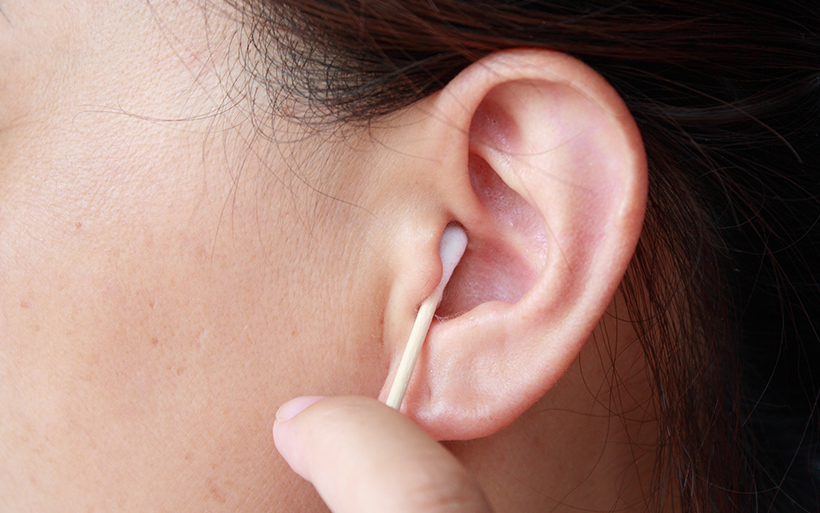
When hearing feels muffled, the natural desire is to use a Q-tip, but this is often a hazardous decision. In reality, physical probing often compacts the cerumen deeper against the eardrum, making the impaction worse.
Medical specialists caution that putting anything smaller than your elbow in your ear can result in eardrum damage and major impaction.
In the same way, ignoring early hearing loss can delay treatment that assists in preserving interaction, security, and well-being.
How a Professional Evaluation Helps
A brief ear exam can instantly verify whether earwax is blocking the ear.
When cerumen is the cause, clinical flushing or manual clearance provides immediate relief.
If no wax is found, a formal audiogram will be used to map the nature and degree of any hidden impairment.
Health authorities suggest obtaining a professional evaluation as promptly as you notice auditory changes that affect your routine.
Final Points on Cerumen and Hearing Wellness
Muffled hearing doesn’t always mean permanent trauma.
Frequently, the problem is merely a collection of cerumen that can be quickly cleared.
A professional evaluation will give you the clarity you require to advance without worry.
In the end, an expert exam is the single reliable way to distinguish between a fleeting obstruction and a permanent change.
Treating the concern immediately halts the anxiety of the unknown and places you on the path to better hearing.
If your auditory sense feels off, don’t guess. A quick exam can make all the difference, so reach out to our practice of specialists right now.