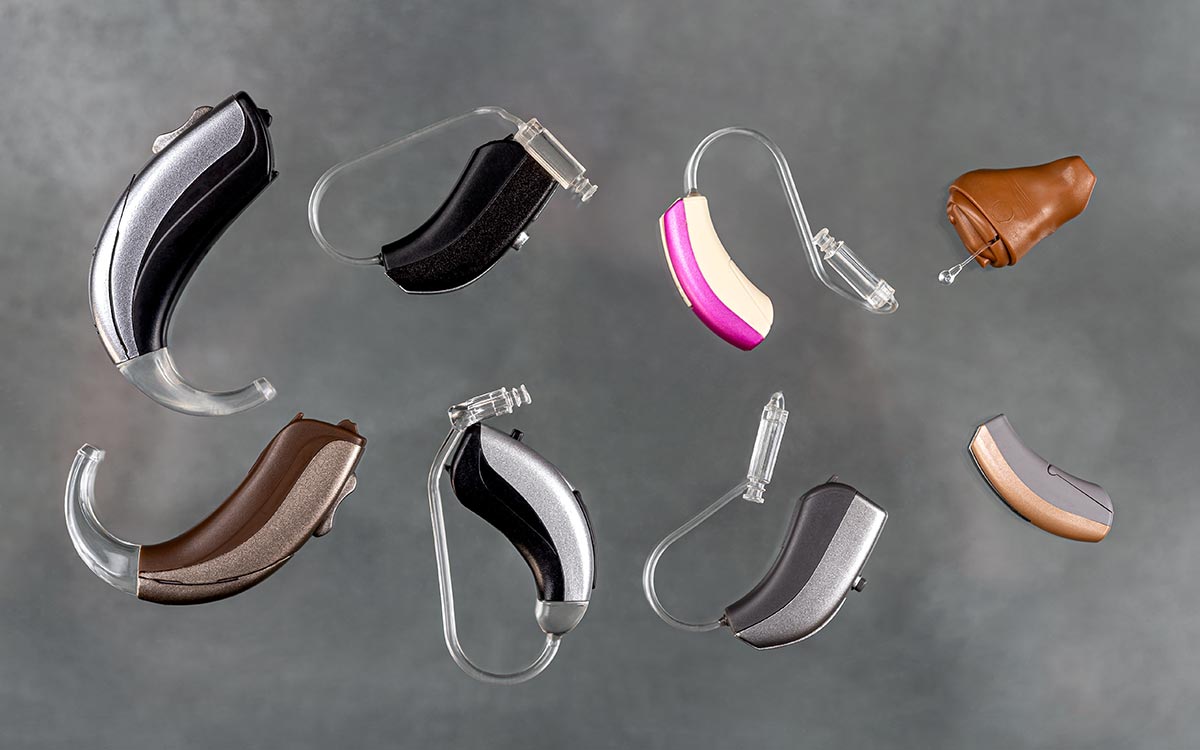
The total volume of hearing aid designs and technology levels on the market today can make the selection process feel complicated. However, an expert hearing solution exists for every person’s unique needs and daily habits. The key is simply identifying the one that fits you best.
Understanding the distinctions among the most common types of hearing aids can help you feel more informed and confident as you explore your options. We are planning to study the primary styles available today to help you understand what sets each option apart.
Understanding ITC Units
The Layout:
ITC hearing aids sit partially in the ear canal, with an inconspicuous portion visible at the outer ear.
Why users choose them:
- Less apparent than conventional full-size models
- Specifically contoured to the user’s ear for a better fit
- Designed to address low to mid-range hearing impairments
ITC devices offer a good balance between visibility and functionality, making them an ideal choice for first-time users.
Ultra-Discreet Invisible-in-Canal (IIC) Devices
How they work:
IIC hearing aids are the tiniest custom design available. They sit deep inside the ear canal and are virtually invisible when worn.
Primary Incentives:
- The best choice for patients prioritizing appearance
- Strategic positioning allows for a very organic listening experience
- Lightweight and easy
IIC devices are primarily targeted at patients with moderate hearing needs who want their technology to remain completely unnoticed.
Understanding In-the-Ear (ITE) Units
What they are:
These models occupy either the complete or bottom half of the outer ear bowl. Every device is specifically customized to match your ear’s unique shape.
The Advantages:
- The increased surface area offers space for extra functionality and extended power
- Provides a more manageable process for those who struggle with tiny accessories
- Effective for mild to profound hearing loss
Many people prefer ITE devices because they offer a streamlined, self-contained design that doesn’t hook over the ear.
BTE (Behind-the-Ear) Essentials
Operation:
BTE hearing aids sit securely behind the ear. These models use an individualized earmold or tubing to funnel sound inside.
Common Reasons:
- Regarded as one of the most dependable and robust designs available
- Can be programmed to assist users with everything from mild to profound loss
- Big enough to house sophisticated software and modern rechargeable technology
The combination of user-friendliness and strong sound makes BTE aids a top contender for many patients.
The RIC Style Breakdown
Design Specifications:
The RIC style keeps the main housing on the back of the ear while moving the receiver into the ear canal itself.
Why they are favored:
- Provides an exceptionally clear and lifelike listening experience
- Users value the slim design and comfortable fit for all-day use
- An adaptable choice that works for various degrees of auditory needs
The combination of design and high-end performance makes RIC models an ideal choice in the modern market.
Understanding Extended-Wear Solutions
What they represent:
A hearing specialist inserts these specialized hearing aids deep into the canal, where they remain for multiple weeks.
Why individuals select them:
- Perfect for users who want to avoid the routine of handling hearing aids daily
- Offers an entirely covert solution for hearing health
- Built to endure the rigors of sleep, exercise, and showering without being removed
For a “hands-off” method of hearing assistance, extended-wear technology is the top recommendation.
Smart Hearing Aids with Wireless
Digital Attributes:
Hearing aids with wireless connectivity that pair with smartphones, tablets, computers, and sometimes TVs.
Why users select them:
- Allows for crystal-clear voice calls and media streamed directly to the device
- Gives you the ability to fine-tune your volume and programs via a smartphone app
- Enhances daily life by making technology interaction seamless and clear
Bluetooth features are available across many styles, including RIC, BTE, and some ITC models.
Alternative Implantable Solutions
What they are:
This technology involves a surgical procedure to place a device that physically stimulates the bones of the middle ear.
Why implants are utilized:
- Provides an answer for individuals with anatomy that prevents the use of conventional aids
- Ideal for users who experience persistent irritation from standard molds
A complete meeting with a specialist professional is necessary before considering an auditory implant.
Selecting Your Ideal Auditory Option
Selecting a hearing aid is an individualized process that takes into account your hearing severity, lifestyle habits, and visual preferences. By visiting an expert, you can investigate various models and see which one feels most natural to you.
Hearing aids are usually recommended for hearing loss. However, if tinnitus is not well controlled, an audiologist may suggest hearing aids after specific hearing tests.
Start traveling toward a world of better sound by arranging a consultation with an expert specialist. This simple step is the basis for improved hearing and better connections with those around you.
Sources:
https://www.mayoclinic.org/diseases-conditions/hearing-loss/in-depth/hearing-aids/art-
20044116
https://www.hearinglife.com/hearing-aids/types
https://www.nidcd.nih.gov/health/hearing-aids