Spending a prolonged time around loud noise can negatively impact your hearing, especially when sound intensity goes past safe limits. Protecting your ears is imperative—not only for avoiding hearing loss but also for maintaining focus in noisy environments. Hence, what steps should you take to identify the ideal hearing protection level tailored to your needs?
Understanding noise levels and their impact
Noise damage depends not only on the loudness of the sound but also on how much time you are exposed to it. dB’s are the fundamental measurement tool for noise, quantifying the strength of sound. Hearing damage can initiate when sound volume reaches 85 dB or more, especially after extended exposure.
Consider that 85 dB is similar to the intensity of city traffic noise perceived while sitting in a car. Even though this might not sound excessive, eight hours of uninterrupted exposure at this level can begin harm to your hearing. As the sound increases in volume, the duration of time you can be exposed securely decreases:
- Exposure to 90 dB (the sound of a Lawnmower) for more than 4 hours is potentially damaging.
- 100 dB (Power tools): Limit exposure to 1 hour or less.
- At 110 dB (Leaf blower), damage can occur in as little as 15 minutes of exposure.
- 120 dB (Rock concert): Any exposure at this level can damage your hearing.
- Exposure to 140 dB (Jet engine) results in immediate damage and intense pain.
How to detect unsafe noise settings
It is crucial to use hearing protection if your frequent exposure is to noise levels of 85 dB. The need for protection is amplified in work settings, including factories and construction, or in any location where engines, equipment, or devices create excessive noise.
Hearing protection is also useful outside of the job; activities like attending music shows, operating leaf blowers, or participating in shooting sports can expose you to dangerous sound levels.
Choosing protection using Noise Reduction Ratings
We assess the effectiveness of hearing protection through its Noise Reduction Rating (NRR). Quantified in decibels, this figure indicates the degree of sound reduction the protector offers. Higher NRR values deliver better protection. To give a practical example, a 30 dB NRR on earplugs would decrease an 85 dB noise down to 55 dB, which is a sound level far below the dangerous limit.
To make a good selection, you should assess the actual noise intensity you are exposed to and verify the device offers the required reduction to keep the volume below 85 dB.
Comfort matters: the foundation to consistent protection
The NRR is certainly significant, but comfort is a similarly significant component in achieving consistent, long-term use. If hearing protection feels uncomfortable or awkward, you may be likely to remove it—leaving your ears unprotected to damaging noise.
When the protection is comfortable, it promotes constant use and minimizes the danger associated with removing it periodically. To illustrate, heavy or uncomfortable earmuffs may be removed by the wearer now and then, exposing their ears to damaging sound levels.
The main forms of hearing protection devices
There are a few different varieties of hearing protection, and each has its own advantages and cons:
- Offering superior noise reduction, Foam Earplugs are placed inside the ear canal. While they are lightweight and disposable, some wearers may experience discomfort.
- Being reusable and resting just outside the ear canal, Pre-Molded Earplugs are a more sustainable choice and are also easier to insert and remove than foam earplugs.
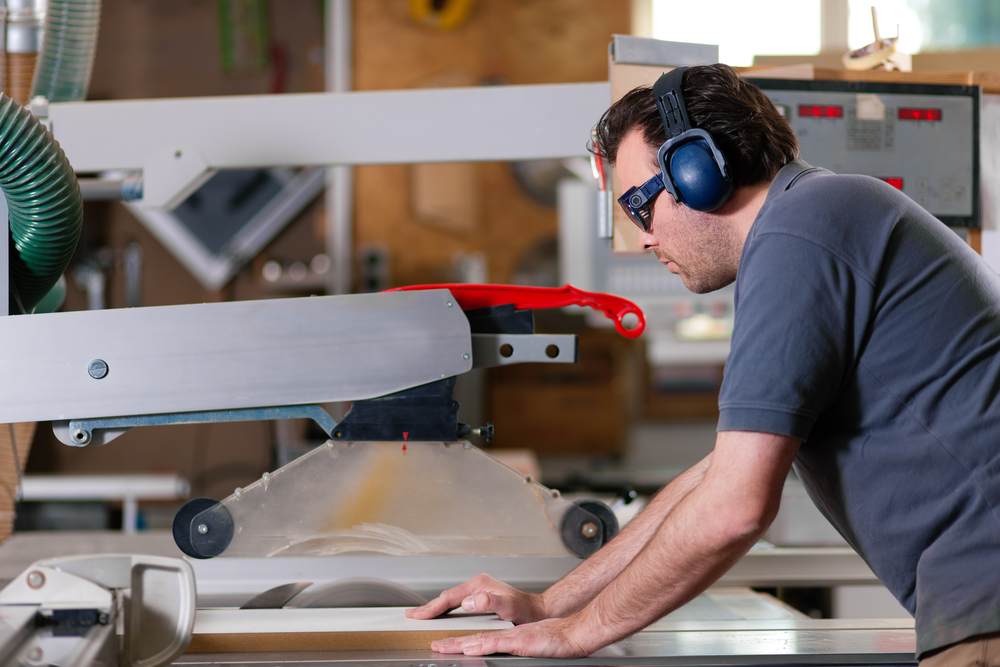
- Covering the whole ear, Earmuffs are perfect for settings where noise volume changes, as they can be easily removed and replaced. Their drawbacks include potentially feeling warm or heavy over a long period.
Your choice should be guided by your comfort preferences and the criteria imposed by your setting. By way of example, a construction worker might select earmuffs for their convenience, while someone working in a factory may select earplugs for continuous use.
Maintaining uninterrupted use of protection
To achieve maximum performance, you must choose the hearing protection you will wear continuously. Removing the protection for even a short time of minutes can lead to lasting damage to your hearing. It is vitally necessary to find a solution that optimizes between comfort, protection, and convenience for this reason.
Securing your auditory well-being
While noise is an unavoidable part of life, suitable hearing protection allows you to safeguard your hearing without sacrificing the sounds around you.
Call us today to review your likelihood of hearing loss from noise and the optimal ways to protect your hearing.